Table of Contents
Are Dental Implants Right for Me?
If you’ve been asking yourself, “Are dental implants right for me?”, you’re not alone. Dental implants are one of the most popular and effective ways to replace missing teeth — but they’re not the best solution for everyone. Choosing implants is a big decision that affects not only your smile but your long-term oral health, confidence, and quality of life.
At Canyon Creek Dental, Dr. McKay Pearson and Dr. David Clark help patients every day decide whether dental implants are the right choice for them. This guide will walk you through the most important factors to consider, signs you’re a good candidate, questions to ask, and alternatives to explore if implants aren’t ideal for you.
Quick Self-Assessment: Are Dental Implants a Good Fit for You?
Before diving deeper, take a moment to see if the following statements apply to you:
- I’m missing one or more teeth.
- I want a permanent solution that looks and feels natural.
- I have healthy gums and good oral hygiene habits.
- I don’t want to deal with dentures shifting or slipping.
- I’m in good overall health and my body heals normally.
- I’m willing to commit to a multi-step treatment process.
- I have enough jawbone support (or I’m open to a bone graft if needed).
If you checked off most of these, there’s a good chance dental implants could be an excellent solution for you. But let’s explore the details more thoroughly.
Why People Choose Dental Implants
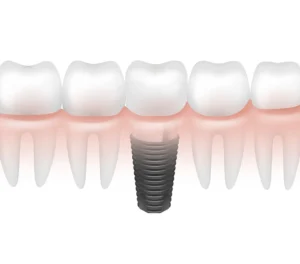
Dental implants are the closest thing to natural teeth that modern dentistry can provide. They replace not just the visible tooth, but also the root, which makes them stronger and longer-lasting than other tooth replacement options.
Top reasons people choose dental implants include:
- A natural look and feel that blends seamlessly with real teeth
- Permanent stability — no slipping, clicking, or adhesives
- Restored ability to chew, bite, and speak comfortably
- Prevention of bone loss that occurs after tooth loss
- Long-term durability — often lasting decades or a lifetime
- Increased confidence and improved quality of life
According to the American College of Prosthodontists, dental implants have a success rate of over 95%, making them one of the most reliable dental procedures available today.
Who Is a Good Candidate for Dental Implants?
While many patients are great candidates for implants, some factors influence whether they’re the right choice for you. Here’s what dentists typically look for:
1. Healthy Gums and Good Oral Hygiene
Healthy gums are essential for successful implant placement. Gum disease can weaken the foundation needed to support the implant. If you have gum issues, they’ll need to be treated before moving forward.
2. Sufficient Jawbone Density
Dental implants rely on your jawbone to hold them in place. If bone loss has occurred, a bone graft may be necessary before implant placement. Advanced imaging helps determine if your bone structure is strong enough.
3. Overall Health and Healing Ability
Conditions like uncontrolled diabetes, immune disorders, or heavy smoking can interfere with healing. Your dentist will review your medical history to ensure your body can support the implant process.
4. Commitment to Oral Care
Dental implants require regular brushing, flossing, and checkups — just like natural teeth. Patients committed to maintaining their oral hygiene see the best long-term results.
When Dental Implants Might Not Be the Best Choice
While implants are an excellent solution for most people, there are situations where another treatment might make more sense. You might want to consider alternatives if:
- You have significant medical conditions that affect healing.
- You’re a smoker and unwilling to quit during the healing process.
- Your bone structure is too thin or weak and you prefer not to undergo grafting.
- You’re looking for a faster, lower-cost solution.
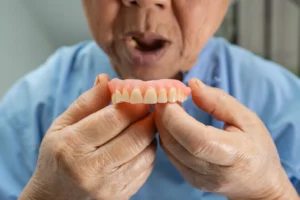
In these cases, dental bridges or removable dentures might be better options. While they don’t offer all the same benefits as implants, they can still restore function and improve your smile.
Pros and Cons of Dental Implants
Pros:
- Permanent, long-lasting solution
- Prevents jawbone deterioration
- Looks, feels, and functions like natural teeth
- Improves confidence and speech
- High success rate
Cons:
- Higher upfront cost compared to other treatments
- Longer treatment timeline (several months from start to finish)
- Requires minor surgery and recovery period
- May require additional procedures like bone grafting
Knowing these advantages and drawbacks can help you make an informed decision about whether implants fit your lifestyle, budget, and health needs.
Questions to Ask Before Getting Dental Implants
Before you commit to treatment, here are some key questions to discuss with your dentist:
- How many implants do I need?
- Will I require bone grafting or other preparatory procedures?
- What is the total cost of treatment, including surgery and restoration?
- What will my recovery timeline look like?
- Are there any risks specific to my situation?
- What alternative treatments should I consider?
Being prepared with these questions ensures you understand the process and feel confident in your decision.
Alternatives to Dental Implants
If dental implants aren’t right for you, there are still excellent restorative options to consider:
- Dental Bridges: Great for replacing one or two teeth without surgery.
- Partial Dentures: A removable option for multiple missing teeth.
- Full Dentures: Ideal if you’re missing most or all teeth.
- Implant-Supported Dentures: Combines the stability of implants with the affordability of dentures.
Each alternative has its pros and cons, and the right choice depends on your oral health, goals, and budget.
FAQs: Are Dental Implants Right for Me?
Q: How long do dental implants last?
A: With proper care, dental implants can last 25+ years — often a lifetime.
Q: Are dental implants painful?
A: The procedure is typically performed under local anesthesia, and most patients report minimal discomfort during recovery.
Q: Can older adults get dental implants?
A: Absolutely. Age is not a limiting factor — overall health and bone strength are more important.
Q: How long does the process take?
A: Most treatments take 4–6 months from start to finish, depending on healing time and any preparatory procedures.
Q: Will my insurance cover dental implants?
A: Some plans offer partial coverage, especially for the crown or restoration. Our team can help review your benefits and financing options.
Take the First Step Toward a Stronger, Healthier Smile
If you’ve been wondering, “Are dental implants right for me?”, the next step is to talk with a dentist who can evaluate your needs and guide you through your options. At Canyon Creek Dental, Dr. McKay Pearson and Dr. David Clark specialize in implant dentistry and are committed to helping you achieve a smile that’s strong, functional, and built to last.
Contact us today to schedule your consultation and discover if dental implants are the solution you’ve been looking for.