Table of Contents
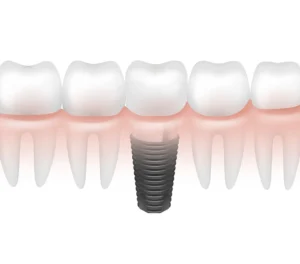
Dental implants are one of the most reliable and natural-looking tooth replacement options available today. With the right care, they can last decades — often for life. At Canyon Creek Dental in Billings, MT, Dr. McKay Pearson and Dr. David Clark guide patients on simple, proven routines that protect implants and the surrounding gums and bone for the long term.
Daily Oral Hygiene for Dental Implants
The foundation of implant health starts with good home care:
- Brushing twice daily: Use a soft-bristled toothbrush or an electric toothbrush to clean around the crown and gumline.
- Flossing once daily: Special implant-safe floss, floss threaders, or interdental brushes help remove plaque where brushes can’t reach.
- Rinsing with mouthwash: Alcohol-free antimicrobial rinses reduce bacteria and support gum health.
Consistency matters — just like with natural teeth, plaque buildup around implants can cause gum disease and implant failure.
Regular Dental Checkups
Routine professional care is critical:
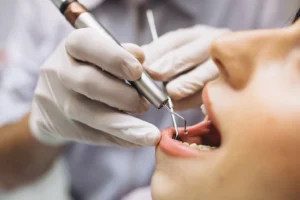
- Professional cleanings every 6 months, or more often if recommended.
- X-rays and exams to monitor bone stability around the implant.
- Early intervention if signs of gum inflammation or peri-implantitis appear.
For tailored advice and maintenance, schedule your preventive visit with Dr. Pearson or Dr. Clark at Canyon Creek Dental.
Habits to Avoid
Certain habits put unnecessary stress on implants:
- Smoking: Increases risk of implant failure and slows healing.
- Grinding teeth (bruxism): Use a nightguard if you clench or grind.
- Chewing hard items: Ice, pens, or hard candy can damage the crown.
Making small lifestyle adjustments goes a long way toward protecting your implants.
Nutrition and Overall Health
A healthy mouth depends on a healthy body. Implants benefit from:
- Balanced nutrition: Foods rich in calcium and vitamin D support bone health.
- Staying hydrated: Dry mouth increases bacteria buildup.
- Managing conditions: Diabetes, heart disease, and osteoporosis can affect implant stability.
Signs of Implant Trouble
Contact your dentist if you notice:
- Persistent pain or swelling
- Bleeding gums around the implant
- A loose implant crown
- Bad taste or odor near the site
Notice any of these changes? Contact Canyon Creek Dental to be seen promptly by Dr. Pearson or Dr. Clark.
Why Long-Term Care Matters
Dental implants are a long-term investment in your oral health. With proper care, they can:
- Preserve jawbone health
- Maintain facial structure
- Provide stable chewing and speaking ability
- Last far longer than bridges or dentures
FAQs About Long-Term Dental Implant Care
Do dental implants ever need to be replaced?
The implant post often lasts a lifetime, but the crown may need replacement after 10–15 years due to normal wear.
Can I use regular floss on dental implants?
Yes, but specialized floss or interdental brushes may be more effective and safer for the gums.
How often should I see my dentist with dental implants?
At least twice a year, though some patients benefit from more frequent cleanings.
Is peri-implantitis common?
It can occur if oral hygiene is poor, but it’s preventable with good home care and routine checkups.
Final Thoughts
Protect your investment and keep your smile strong for life. Book an implant checkup with Dr. McKay Pearson or Dr. David Clark at Canyon Creek Dental today.